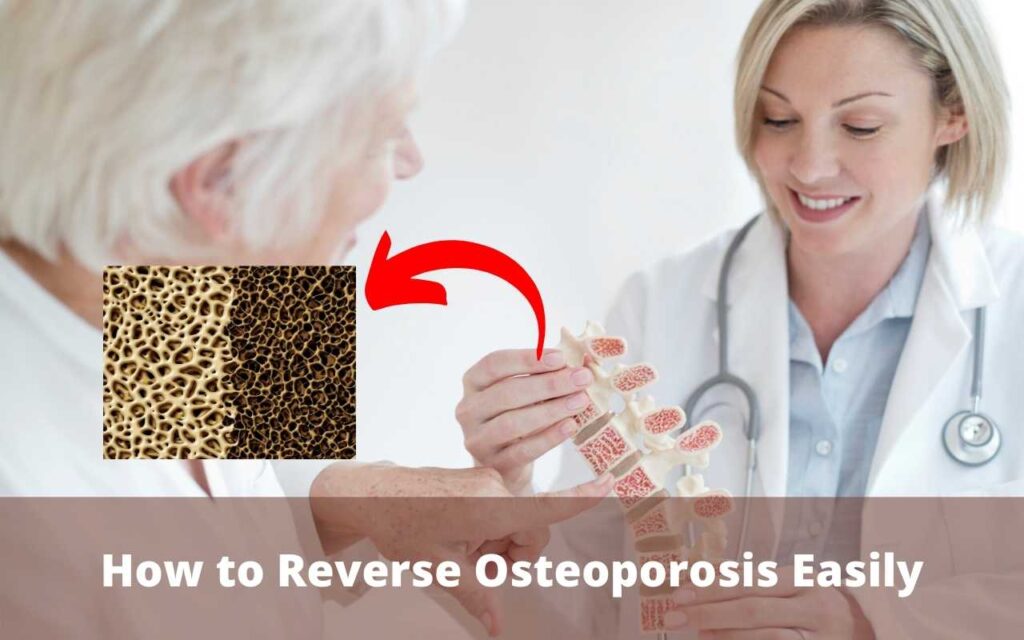
A diagnosis of osteoporosis can leave you wondering what to eat, how to exercise, and whether your bones can become stronger. How to Reverse Osteoporosis Naturally brings these questions together in one place, helping you explore everyday bone-health habits, understand testing, and prepare for conversations about treatment.
Affiliate disclosure: This page contains affiliate links. If you purchase through them, we may earn a commission at no additional cost to you.
Considering a paid program as part of your research? Visit the seller’s osteoporosis program page to examine the offer, its claims, and purchase terms. A commercial program should not replace an individual medical assessment or prescribed treatment.
Start with the Question That Matters to You
You do not need to read everything at once. Choose the guide closest to your current concern:
- Recently diagnosed? Start with understanding osteoporosis.
- Unsure about your scan? Explore how accurate bone density scans are.
- Looking for practical daily steps? Read our guide to improving bone density.
- Comparing treatment choices? Visit osteoporosis medication and lifestyle options.
Understanding Osteoporosis
Osteoporosis weakens bones and makes fractures more likely. It often develops without obvious symptoms, so feeling well does not necessarily mean that bone density is normal. A fracture after a minor fall may be the first sign.
Although osteoporosis is especially common after menopause and in older adults, men can develop it too. Age, family history, certain illnesses, and some medicines can affect risk.
Our osteoporosis causes guide introduces these factors. If you are concerned about changes in height, posture, or unexplained back pain, read about signs of bone loss and when to seek help and arrange a medical assessment.
Can Osteoporosis Be Reversed Naturally?
The word “reversed” can suggest a complete cure, which is more than a diet, supplement, or online program can promise. Bone density may improve with appropriate care, but treatment also aims to prevent fractures and preserve daily function.
Nutrition, suitable activity, and fall prevention are important parts of care. Some people also need medication, including treatments that slow bone loss or stimulate bone formation. A natural approach should complement appropriate medical treatment.
For a fuller explanation, visit can osteoporosis be reversed?. Use that guide to frame questions for your clinician rather than deciding to stop or avoid medication on your own.
Make Sense of Bone Density Testing
A central DXA scan, also called DEXA, commonly measures bone mineral density at the hip and spine. Testing can help identify osteoporosis, assess fracture risk, and monitor treatment.
Your result needs context. Age, previous fractures, and other risk factors matter alongside the number on the report. Ask your clinician what your results mean and how they affect your next steps.
Explore these guides:
- Bone density tests: what they reveal and when you may need one
- DEXA scans compared with other bone tests
- Choosing a bone density testing provider
Bring previous reports to your appointment. Ask whether a change between scans is meaningful and when follow-up testing would be useful for you.
Build an Eating Pattern That Supports Your Bones
A bone-health diet is about meeting nutritional needs consistently. Calcium, vitamin D, and protein all have roles, alongside adequate food intake and a varied diet.
Start by reviewing meals you already eat. Which foods provide calcium? Where does your protein come from? Are you avoiding an entire food group without replacing its nutrients?
Our osteoporosis diet guide helps organize these questions. You can also explore calcium-rich foods and getting calcium without dairy.
Keep a brief food record to discuss with a clinician or dietitian. It provides a more useful starting point than buying several supplements without knowing what your diet supplies.
Before buying an osteoporosis program, write down what you need help with and what evidence would make its claims convincing. Review the seller’s program information here, then discuss any proposed diet, exercise, or supplement changes with your healthcare professional.
Choose Exercise That Fits Your Health
An appropriate routine may combine weight-bearing movement, resistance exercise, and balance training. These activities serve different purposes: supporting bones, strengthening muscles, and helping reduce falls.
The right starting point depends on your health, fitness, and fracture history. If you have osteoporosis, low bone density, or physical limitations, ask a healthcare professional which activities are suitable before beginning a new routine.
Our osteoporosis exercise program guide introduces the main components. Related guides cover weight-bearing exercise, walking and osteoporosis, and balance exercises for fall prevention.
Use these articles to prepare questions for a physiotherapist or clinician. A general online routine cannot account for every reader’s mobility, pain, or previous injuries.
Make Everyday Life Safer
Bone care also includes reducing the chance of a fall. Clear walkways, improve lighting, secure loose rugs, and consider whether handrails or bathroom supports would help at home.
Start with one room rather than trying to change everything at once. Our home fall-prevention guide provides a place to begin.
Sudden severe back pain, particularly after a minor fall or strain, deserves prompt medical assessment. Do not assume it is simply an expected part of osteoporosis.
Take a Careful Approach to Supplements and Programs
Before making a purchase, consider the questions the sales page leaves unanswered:
- What exactly is included?
- Who created it, and can their qualifications be checked?
- Does the evidence concern the actual product or only individual ingredients?
- Are limitations and potential risks explained?
- Is the payment recurring, and what are the refund conditions?
Our bone-density supplement guide is a starting point for comparing claims and preparing questions. Tell your clinician or pharmacist about supplements you already use.
Your Next Step
Choose one useful action today: collect your scan reports, record your usual meals, ask about suitable exercise, or make a room safer.
At your next appointment, ask:
- What is my fracture risk?
- Do I need treatment beyond lifestyle changes?
- Which activities are appropriate for me?
- How will we assess whether my care plan is working?
You can return to this page whenever you need the next guide. Start with the question affecting your daily life and work through the options with your healthcare team.
Still researching a commercial osteoporosis program? View the seller’s current offer and terms. Treat the information as a purchase decision to evaluate carefully, not a promise of reversal or a substitute for medical care.
Resources
- NIH NIAMS: Osteoporosis overview, symptoms and causes
- NIH NIAMS: Diagnosis, treatment and steps to take
- NIH NIAMS: Bone mineral density tests—what the numbers mean
- NIH NIAMS: Exercise for your bone health
Affiliate disclosure: This page contains affiliate links. If you purchase through them, we may earn a commission at no additional cost to you.
Medical disclaimer: This content is for general education and is not a substitute for professional medical advice, diagnosis, or treatment. Consult a qualified healthcare professional about your individual needs. Do not stop or change prescribed treatment based on this website.